

Thinking about a care home can bring up a lot of questions, worries, old wives tales and even a few eyebrow-raising myths. From the idea that residents lose all independence the moment they walk through the door, to visions of boring lounges and bland meals, popular imagination sometimes paints a very different picture from reality. In truth, modern care homes in the UK are vibrant, supportive communities where safety and quality of life come first. They’re designed not to replace life, but to enrich it and they do this by helping residents stay connected, engaged, cared for and active while making sure their health and personal needs are properly looked after.
Whether it’s access to specialist healthcare like opticians, podiatrists or physiotherapy, care homes are focused on empowering residents rather than restricting them. Staff work closely with each individual to create personalised care plans, meaning routines, hobbies and social lives can continue in ways that suit them. And while no place is perfect, homes rated “good” or “outstanding” by the Care Quality Commission consistently show measurable improvements in residents’ wellbeing, including better social engagement, independence, and overall life satisfaction.
This blog is here to separate fact from fiction, uncovering the truth behind the most common myths people have about care homes. With honesty and a little lightheartedness, we’ll guide you through what life in a care home really looks like today and why these modern communities can often be far more enriching than you might expect.
Myth 1: Care Homes Are Boring & Lonely
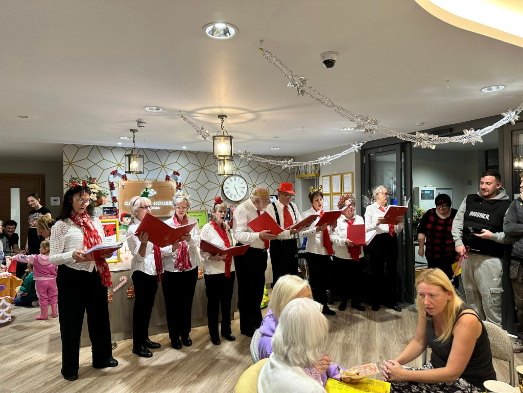
One of the most persistent myths about care homes is that they’re little more than quiet lounges where residents sit staring at the clock, counting down the hours. The reality couldn’t be further from that image. As modern care homes like Caraway House in the UK are lively, community-focused places where residents are encouraged to stay engaged, pursue hobbies and connect with others every day. Whether it’s a gentle morning exercise class, a lively arts and crafts session, or a book club with like-minded friends, there’s always something happening and yes, even the occasional themed tea party.
Social connections are a cornerstone of life in a care home, staff make it a priority to foster friendships, celebrate birthdays and achievements and ensure no one feels isolated. Regular outings, trips to local cafés, or simply a stroll in the garden provide opportunities for residents to feel part of a wider community. Technology also plays a role: video calls with family, online games, or digital storytelling sessions keep residents connected to loved ones even when they’re far away.
Being in a care home doesn’t mean giving up independence or excitement it means having support to continue enjoying life safely, with people around who care. In fact, many residents report feeling less lonely than when they were living alone, thanks to the combination of social activities, meaningful engagement, personalised care plans and attentive staff. Far from boring, care home life is about creating moments of joy, connection and purpose every single day.

Myth 2: Hobbies & Interests Don't Exist Anymore
Another common myth is that when you move into a care home, you have to leave your hobbies and personal interests behind. Quite frankly, that couldn’t be further from the truth. In reality, many care homes actively encourage residents to continue doing the things they love and even discover new passions along the way.
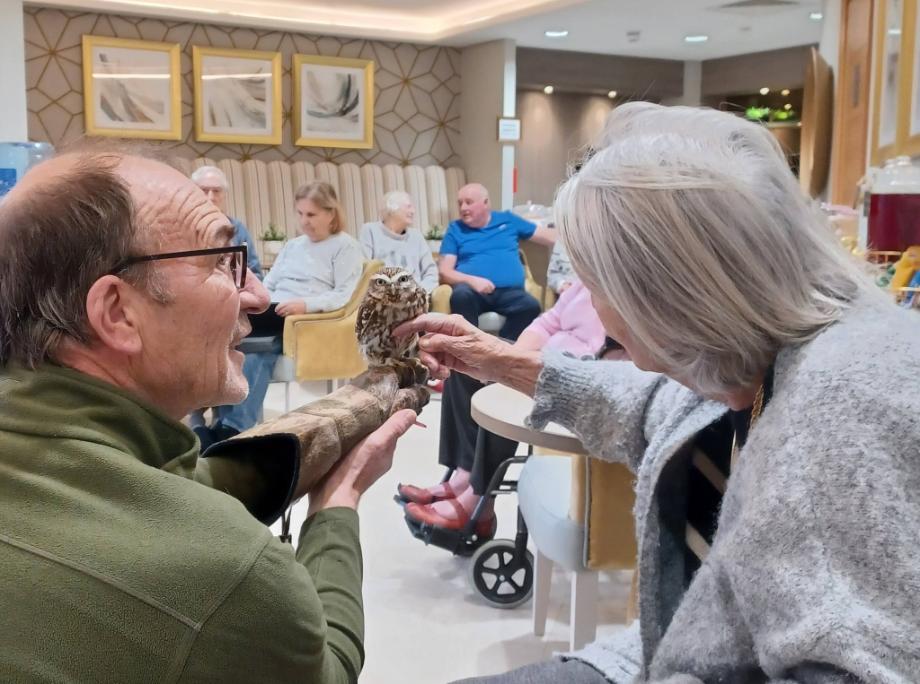
Modern care homes often provide a wide range of activities tailored to different interests and abilities. Whether someone enjoys painting, gardening, knitting, reading, music, or even local fundraising, there are usually opportunities to stay engaged. Dedicated activity coordinators work closely with residents to understand their preferences and create programs that feel meaningful and enjoyable, rather than routine or forced.

Myth 3: Residents Can't See Specialists
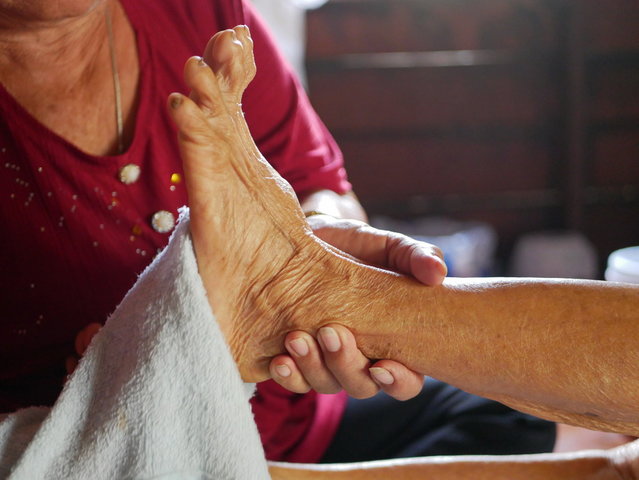
A common misconception about care homes is that residents lose access to specialist healthcare, but this simply isn’t true. In fact, care homes work closely with a wide range of healthcare professionals to ensure residents receive the support they need. This can include visits from GPs, physiotherapists, occupational therapists and other specialists such as podiatrists or mental health professionals. When more advanced care is required, appointments can be arranged at hospitals or clinics, with staff often helping to coordinate and support residents throughout the process. Many care homes also facilitate virtual consultations, making it easier and quicker to access expert advice.

Myth 4: Care Home Food Is Bland Or Unappetising
People often think that food in a care home is bland and unappealing, but this is not the case in modern care homes such as Caraway House. Many care homes place a strong emphasis on providing nutritious, flavourful meals that cater to residents’ tastes and dietary needs. Menus are often seasonal, making use of fresh, locally sourced ingredients to ensure both quality and variety. Chefs take the time to understand individual preferences, sometimes using “food passports” to record residents’ likes, dislikes and cultural or dietary requirements. This helps create meals that feel personal and enjoyable, rather than generic. In some homes, residents can even get involved in gardening activities, growing herbs and vegetables that are later used in the kitchen adding freshness and a sense of pride to their meals. From themed dining experiences to home-style favourites, food in care homes today is designed to be both nourishing and full of flavour.


Curious to see how modern care homes in Chichester could support your loved one’s independence and wellbeing? Explore our guide, visit our home at Caraway House, or speak to a care advisor today to find the right fit. Life in a care home might surprise you — in the best way.